Your operation needs consistent cleaning schedules customized for specific risks, daily throughput, food allergens, and regulatory visits, with auditable records validating food safety measures, inspection compliance, and health department standards. The information following give details about essential cleaning protocols.
Key Takeaways
- Sanitation technicians in Brampton work with restaurants, grocery departments, commissaries, warehouses, bakeries, schools, mobile vendors, and allergen-sensitive operations.
- Cross-contamination prevention is achieved by sanitizing frequently contacted areas, food-contact equipment, kitchens, floors, drains, restrooms, and storage areas with compartmentalized approaches.
- Qualified specialists check approved sanitizer dilution, suitability, and exposure duration, then document completion with checks, reviews, and remedial documentation.
- Risk, production rate, switches, releases, and guidelines should direct hygiene plans, with regular, weekly, and seasonal tasks distributed by location.
- Opt for contractors with hazard analysis knowledge, health regulatory, understanding, safety training, instruction, protection, endorsements, color-categorized equipment, and compliance-ready maintenance files.
Food Safety Cleaning Requirements for Brampton Facilities
You must adhere to food safety cleaning if your operation is subject to public health inspection, food premises regulations, or internal HACCP-based controls. This covers food venues, break rooms, food centers, supermarket areas, butcheries, seafood displays, shops, and commercial food prep.
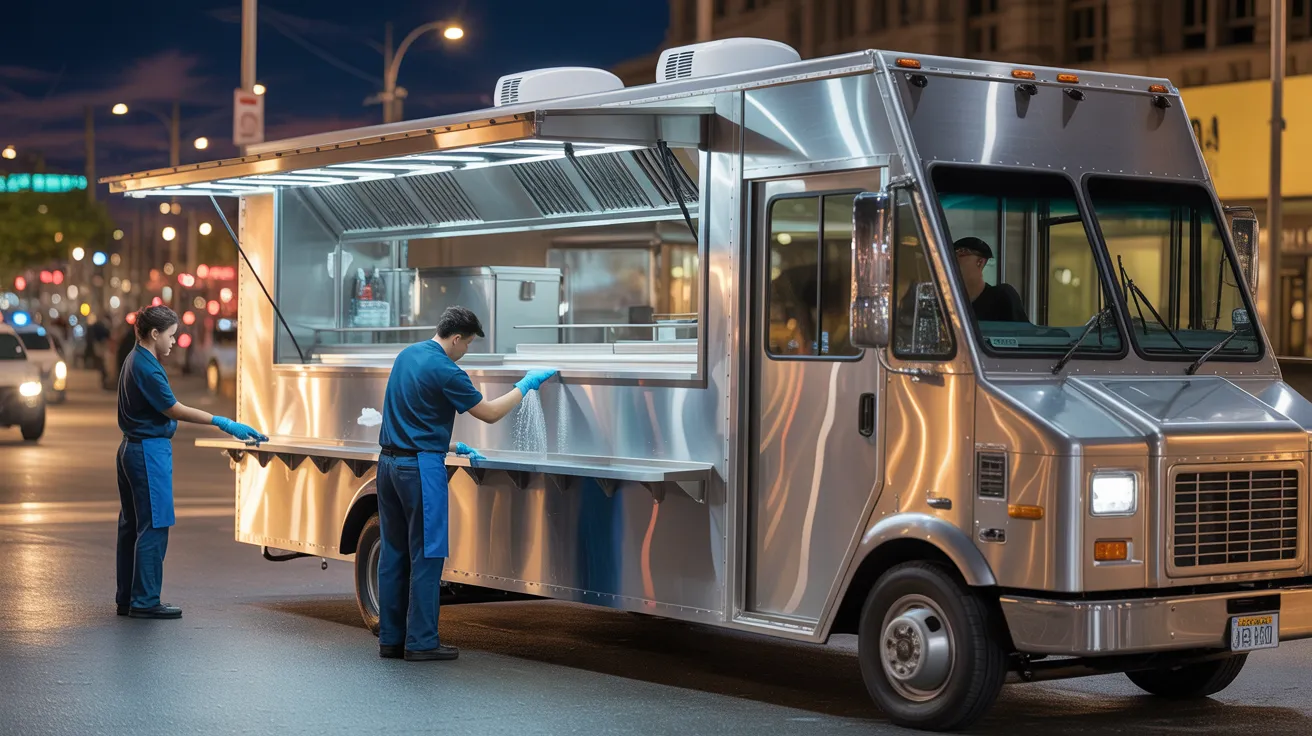
You'll furthermore need proper hygiene protocols in warehouses, food manufacturing plants, cold storage sites, retail bakeries, school nutrition programs, banquet halls, and meal delivery hubs. Seasonal and mobile ventures apply too, including food trucks, event sellers, and temporary stalls. When your staff work with corresponding information ingredients, section ready-to-serve foods, heat meals, or keep allergens stored, your facility requires documented cleaning protocols. In Brampton, sanitation is compulsory; it represents legal, operational, and consumer protection compliance.
What Do Brampton Cleaning Experts Clean?
Professional cleaning teams specializing in Brampton disinfect high-contact surfaces, kitchen facilities, ground surfaces, and restrooms to satisfy food safety standards and health requirements. Focus on these locations occurs because they pose maximum contamination danger, potential for accidents, and compliance issues.
When you understand what they clean, you can ensure your operation's cleaning procedures satisfy operational and regulatory requirements.
High-Touch Surface Sterilization
Brampton cleaning teams underscore high-touch surface sterilization because of the risk of harmful microorganisms and food matter transmitting across the establishment. You must have a formal plan for disinfecting frequently touched items like handles, plates, switches, railings, equipment controls, payment terminals, and fridge pulls. Implementing surface identification mapping, teams identify every high-traffic point and set cleaning schedule
establishing directional processes, and separating disinfection tools organized by section
Kitchen Areas, Floor Surfaces, and Bathroom Spaces
Professional cleaners in Brampton prioritize kitchens, floors, and restrooms given that each location involves distinct food safety, slip-and-fall, and public health requirements. In industrial kitchens, you need degreasing on cook lines, equipment exteriors, drains, prep surfaces, and splash zones to minimize contamination and pest pressure.
You should also expect documented flooring maintenance. is also provided as part of the service.
For restroom sanitation, cleaners sanitize touchpoints, fixtures, partitions, dispensers, and waste containers, then restock supplies and control odours. They also service restaurant moprooms, where chemical storage, sink hygiene, and drainage conditions can affect sanitation compliance and staff safety daily.
Food Safety Cleaning Significance for Brampton Businesses
In Brampton, you must maintain food-safe cleaning standards to satisfy health code requirements and pass inspections. You also minimize cross-contamination by cleaning and sanitizing food-contact surfaces, equipment, and high-touch areas correctly. Most importantly, you safeguard community wellness by reducing the chance of food poisoning in your establishment.
Sanitary Standards Adherence
Brampton food establishments must comply with strict public health standards, so food safety cleaning is critical to satisfying health codes, defending customers, and avoiding penalties. You must maintain clean food preparation areas, verifiable cleaning logs, safe chemical management, and traceable training practices that correspond to municipal and provincial inspection expectations.
Well-maintained cleaning files support you in establishing due diligence during regulatory audits and demonstrating your methods follow reliable patterns that are reproducible and monitored.
Cross-Contamination Prevention
Adhering to health code standards requires your expertise in stopping cross-contamination throughout daily food handling and cleaning. You need to isolate uncooked items from finished products, clean prep surfaces between tasks, and keep chemicals away from food-contact items. Organized systems minimize contamination events and ensure consistent compliance during inspections.
You might establish allergen separation to prevent priority allergens from contacting shared surfaces, containers, or equipment. Apply separate boards, color-marked equipment, and strict utensil labeling so staff don't mix items during preparation or service. Mandate handwashing after handling raw meat, seafood, eggs, or allergen-containing products. Change wiping cloths regularly, and check sanitizer strength with test strips. When you train staff to follow these controls each shift, you develop a more sanitary, secure business that matches Brampton's safety requirements daily.
Public Health Safeguarding
If food safety cleaning declines, you don't merely risk a failed inspection—you amplify the risk of pathogenic contamination harming customers, staff, and the broader Brampton region. You also undermine your responsibility in protecting public health, especially in high-traffic food premises where contamination can spread quickly through surfaces, equipment, and touchpoints.
You require cleaning procedures that eliminate soils, sanitize properly, and verify outcomes. This requires following contact periods, employing authorized sanitizers, documenting procedures, and instructing staff to satisfy regulatory standards. These controls promote pathogen reduction by limiting pathogens before contaminating food or surfaces. Across Brampton, effective sanitation safeguards vulnerable groups, limits outbreak risk, and demonstrates accountability. When you maintain proper protocols, you go beyond requirements—you meaningfully reduce risk and facilitate secure food handling throughout the area.
How Can Cleaning Practices Ensure Food Safety Compliance?
Adopting comprehensive cleaning schedules underpins food safety compliance by lowering contamination exposure, controlling pathogen growth, and maintaining your facility's adherence to sanitation requirements under HACCP-based programs and public health regulations. You confirm that food-handling surfaces are visibly clean and microbiologically controlled, enabling documented preventive controls and inspection readiness.
Rigorous cleaning standards also reinforce allergen management by eliminating residues that can cause undeclared allergen exposure.
What's the Ideal Time to Plan Commercial Cleaning?
Elevate cleaning pace during peak production, product changeovers, spill incidents, and following maintenance work.
Seasonal deep cleaning ought to be scheduled for shutdowns, weather-related soil buildup, or pest-pressure periods
Finding Quality Brampton Cleaning Experts: A Guide
Screen providers initially by their food-safe sanitation requirements—not budget alone. You need to confirm that every company meets CFIA, public health, and HACCP standards for your operation. Demand proof of insurance, WHMIS compliance, training records, and management systems. Evaluate technician knowledge of contamination dangers, chemical safety, and documented sanitation practices.
You should also assess business dependability and accountability. Request references from food facilities in Brampton, then examine response times, corrective-action procedures, and communication standards. Confirm the company participates in supplier audits and can present inspection-ready documentation when regulators or third parties request evidence. Check whether equipment is maintained is performed, color-coded implements are used appropriately, and site-specific hazards are recognized. A competent service protects compliance, product quality, and your brand reputation.
What aspects should a sanitation plan include?
Establish a documented plan that clarifies every sanitation task, standard, and responsibility ahead of production commencement. You should specify cleaning intervals, permitted substances, dilution percentages, exposure times, instruments, and inspection methods for each sector, surface, and equipment. Make sure to include pre-operational inspections, corrective actions, and employee training requirements.
Your plan should also cover cross-contamination controls, waste handling, pest-prevention measures, and documented schedules for restrooms, drains, floors, and food-contact areas. Detail how you'll keep raw and prepared foods apart, support ingredient tracking, and ensure accurate allergen labeling through validated cleaning between product changes. You should designate accountability, maintain signed records, and compare results against regulatory standards, HACCP controls, and customer requirements. When gaps appear, revise procedures immediately and re-educate staff.
Commonly Asked Questions
Can cleaning services accommodate nighttime operations in Brampton facilities?
Yes, you can set up cleaning services to handle overnight shifts in Brampton facilities. You'll arrange nighttime cleaning around production schedules, security controls, and staffing levels. Providers generally establish nightshift logistics to minimize interruption, copyright compliance, and document finished tasks. You should verify response times, management, access procedures, and waste management before service starts.
Will Brampton cleaning experts respond to emergency spills?
Yes, you can locate several Brampton cleaning professionals offering emergency response options. They manage hazardous materials, assess dangers, isolate zones, and execute rapid cleanup to minimize risk and prevent disruption. You should verify response times, training credentials, safety measures, and procedures. If your facility needs compliance, choose a service that documents incidents, maintains standards, and ensures verification.
Are environmentally safe disinfectants safe for food preparation areas?
Absolutely, green disinfectants remain secure for food preparation areas when you pick items marked food-safe and regulatory compliant. You must check exposure duration, dilution rates, and rinse procedures in advance of use. Botanical formulations minimize toxic chemical contact, though you must obtain proof of efficacy against harmful bacteria. For ensuring residue-free conditions, adhere to manufacturer instructions exactly and ensure your disinfectant meets relevant food safety standards.
Can sanitation programs adapt with seasonal variations?
Certainly, cleaning plans accommodate seasonal shifts effectively. Adjust timing, personnel, chemicals, and confirmation procedures to fit with seasonal patterns while sustaining compliance standards. Lower production interruptions by timing sanitation amid changeovers, peak seasons, and usage cycles. Also revise written procedures, training, and environmental monitoring to address transient threats, novel allergens, or increased soiling. Ongoing evaluations preserve the plan efficient.
Do professional cleaning services educate employees on hygiene standards?
Indeed, professional cleaners typically provide employee coaching on sanitation best practices. Your staff receives training on safe chemical application, exposure durations, cross-contamination prevention, equipment disassembly, and record-keeping. They typically follow training with HACCP, GMP, and CFIA or regional health standards requirements. Many also execute sanitation audits to confirm standards, identify gaps, and strengthen improvement measures. This supports you in maintain consistent procedures, pass inspections, and reduce food safety risks on a daily basis.
Conclusion
Through working with Brampton food safety and commercial cleaning experts, you accomplish much beyond organizing—you keep your operation prepared for inspections and your procedures stay aligned with regulations. From kitchen spaces to processing areas, all clean areas and kept corners help prevent pest problems and prevent significant costs. Through scheduling maintenance on suitable timelines and sticking to a solid cleaning plan, you safeguard your team, your patrons, and your standing. In a tightly controlled regulatory landscape, proper sanitation must be a priority—they represent good business practice.